Glaze Chemistry Lab — From Fundamentals to Personal Recipes
11.6.26 - 14.6.26 // 16:00-19:00
Creating your own glazes allows you to move beyond commercial surfaces and develop a truly personal ceramic language. This intensive four-day masterclass is designed for ceramists with little or no experience in glaze formulation who want to understand what’s actually happening inside a glaze and how to control it.
The course begins with the essentials: raw materials, glaze chemistry, and how formulas function. From there, participants move into structured testing, recipe adjustments.
The emphasis is on clarity, practical skills, and confidence in the studio, turning glaze development into an intentional process rather than guesswork.
Learning Outcomes
By the end of the workshop, participants will:
Understand the main raw materials used in glazes and their specific roles
Read, interpret, and modify glaze formulas with confidence
Design and carry out systematic glaze tests
Begin developing a personal glaze recipe
Navigate glaze resources such as books and online databases independently
Topics Covered
Raw materials: fluxes, silica, alumina, oxides—properties and sources
Core glaze chemistry and formula logic
Testing methods and documentation strategies
UMF (Unity Molecular Formula) and Stull chart methodology
Colourants, opacifiers, glaze defects, and special effects
(crawling, phase separation, lava-like surfaces)
Schedule Overview
Thursday to sunday 11.6. - 14.6. 4 days 16:00-19:00
Day 1
Lecture: Introduction to glaze chemistry, fluxes, raw material families and their role
Lab: Studio setup, safety procedures, basic testing, colourant behaviour in different bases
Day 2
Lecture: Colorants and Opacifiers - How to provide colour to a recipe
Lab: Line blends and triaxial blends on different bases
Day 3
Lecture: UMF theory, Stull chart, firing temperature and kiln cones
Lab: Developing and adjusting your own glaze using UMF
Day 4
Lecture: Glaze flaws and defects, special-effect glazes
Wrap-up: Review of test results, group discussion, Q&A, and next steps
Technical Notes
Focus on functional glazes fired at mid-range (cone 5–8)
(approx. 1220–1250 °C, electric kiln)
All materials, test tiles, and firings are included
Participants may bring their own tiles (stoneware suitable up to ~1240 °C), flat or vertical, approx. 2 × 7 cm
Please provide details or a photo of your clay body
Safety: An FFP3 mask is mandatory during lab work and will be provided by the studio
About the Instructor
Riccardo is the founder of Blayse Ceramic Studio in Berlin, where he focuses on glaze chemistry and material research for contemporary ceramics. With a background in wheel-thrown functional ware and years of hands-on testing, he develops his own glaze systems. His approach emphasizes understanding and control—helping makers shift from trial-and-error glazing to a deliberate, informed creative practice.
The class will be held in english
Cancellation is possible up until 30 days before the class. After that there is no refund possible.
Glaze Chemistry Lab — From Fundamentals to Personal Recipes
11.6.26 - 14.6.26 // 16:00-19:00
Creating your own glazes allows you to move beyond commercial surfaces and develop a truly personal ceramic language. This intensive four-day masterclass is designed for ceramists with little or no experience in glaze formulation who want to understand what’s actually happening inside a glaze and how to control it.
The course begins with the essentials: raw materials, glaze chemistry, and how formulas function. From there, participants move into structured testing, recipe adjustments.
The emphasis is on clarity, practical skills, and confidence in the studio, turning glaze development into an intentional process rather than guesswork.
Learning Outcomes
By the end of the workshop, participants will:
Understand the main raw materials used in glazes and their specific roles
Read, interpret, and modify glaze formulas with confidence
Design and carry out systematic glaze tests
Begin developing a personal glaze recipe
Navigate glaze resources such as books and online databases independently
Topics Covered
Raw materials: fluxes, silica, alumina, oxides—properties and sources
Core glaze chemistry and formula logic
Testing methods and documentation strategies
UMF (Unity Molecular Formula) and Stull chart methodology
Colourants, opacifiers, glaze defects, and special effects
(crawling, phase separation, lava-like surfaces)
Schedule Overview
Thursday to sunday 11.6. - 14.6. 4 days 16:00-19:00
Day 1
Lecture: Introduction to glaze chemistry, fluxes, raw material families and their role
Lab: Studio setup, safety procedures, basic testing, colourant behaviour in different bases
Day 2
Lecture: Colorants and Opacifiers - How to provide colour to a recipe
Lab: Line blends and triaxial blends on different bases
Day 3
Lecture: UMF theory, Stull chart, firing temperature and kiln cones
Lab: Developing and adjusting your own glaze using UMF
Day 4
Lecture: Glaze flaws and defects, special-effect glazes
Wrap-up: Review of test results, group discussion, Q&A, and next steps
Technical Notes
Focus on functional glazes fired at mid-range (cone 5–8)
(approx. 1220–1250 °C, electric kiln)
All materials, test tiles, and firings are included
Participants may bring their own tiles (stoneware suitable up to ~1240 °C), flat or vertical, approx. 2 × 7 cm
Please provide details or a photo of your clay body
Safety: An FFP3 mask is mandatory during lab work and will be provided by the studio
About the Instructor
Riccardo is the founder of Blayse Ceramic Studio in Berlin, where he focuses on glaze chemistry and material research for contemporary ceramics. With a background in wheel-thrown functional ware and years of hands-on testing, he develops his own glaze systems. His approach emphasizes understanding and control—helping makers shift from trial-and-error glazing to a deliberate, informed creative practice.
The class will be held in english
Cancellation is possible up until 30 days before the class. After that there is no refund possible.
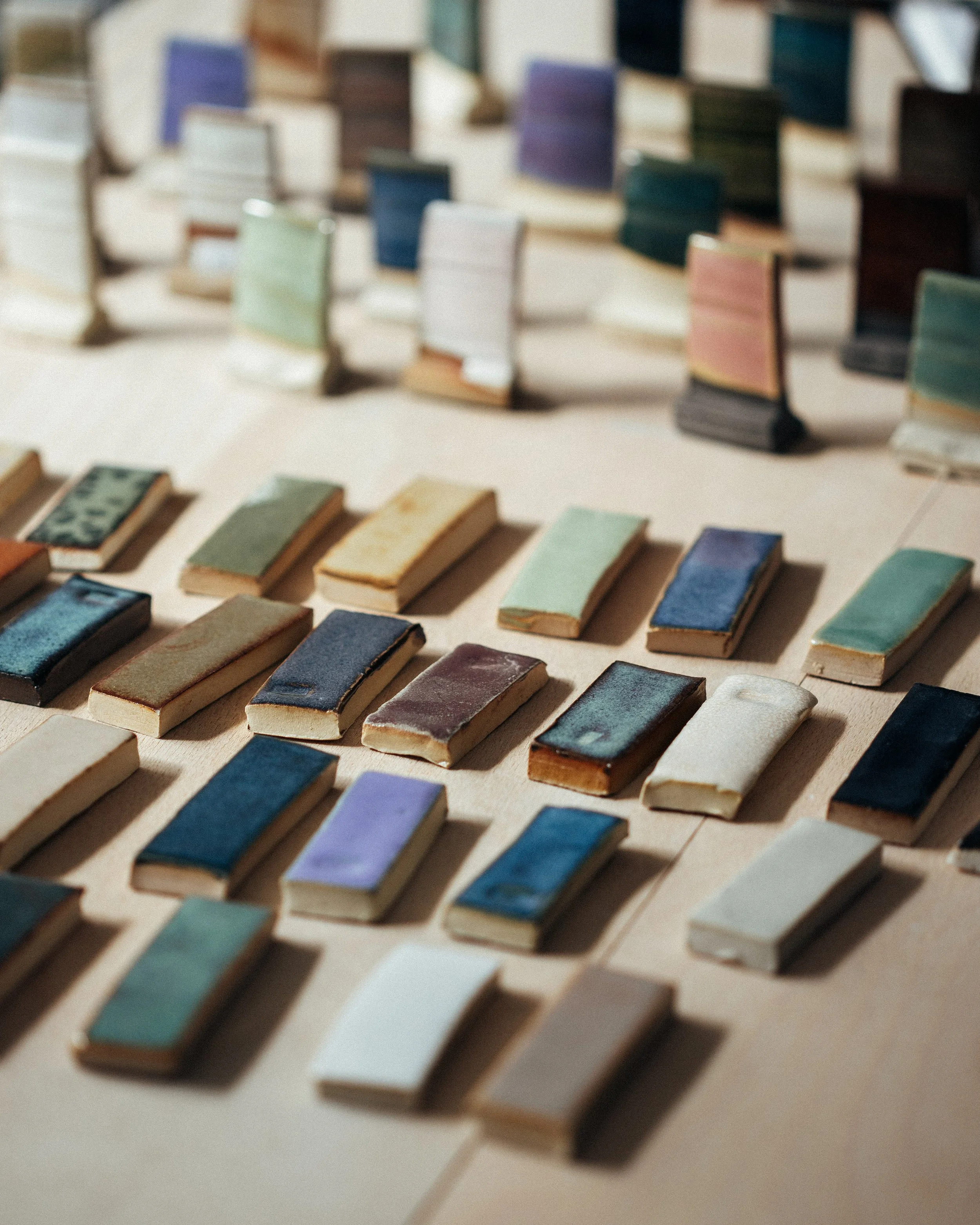 Bild 1 von 12
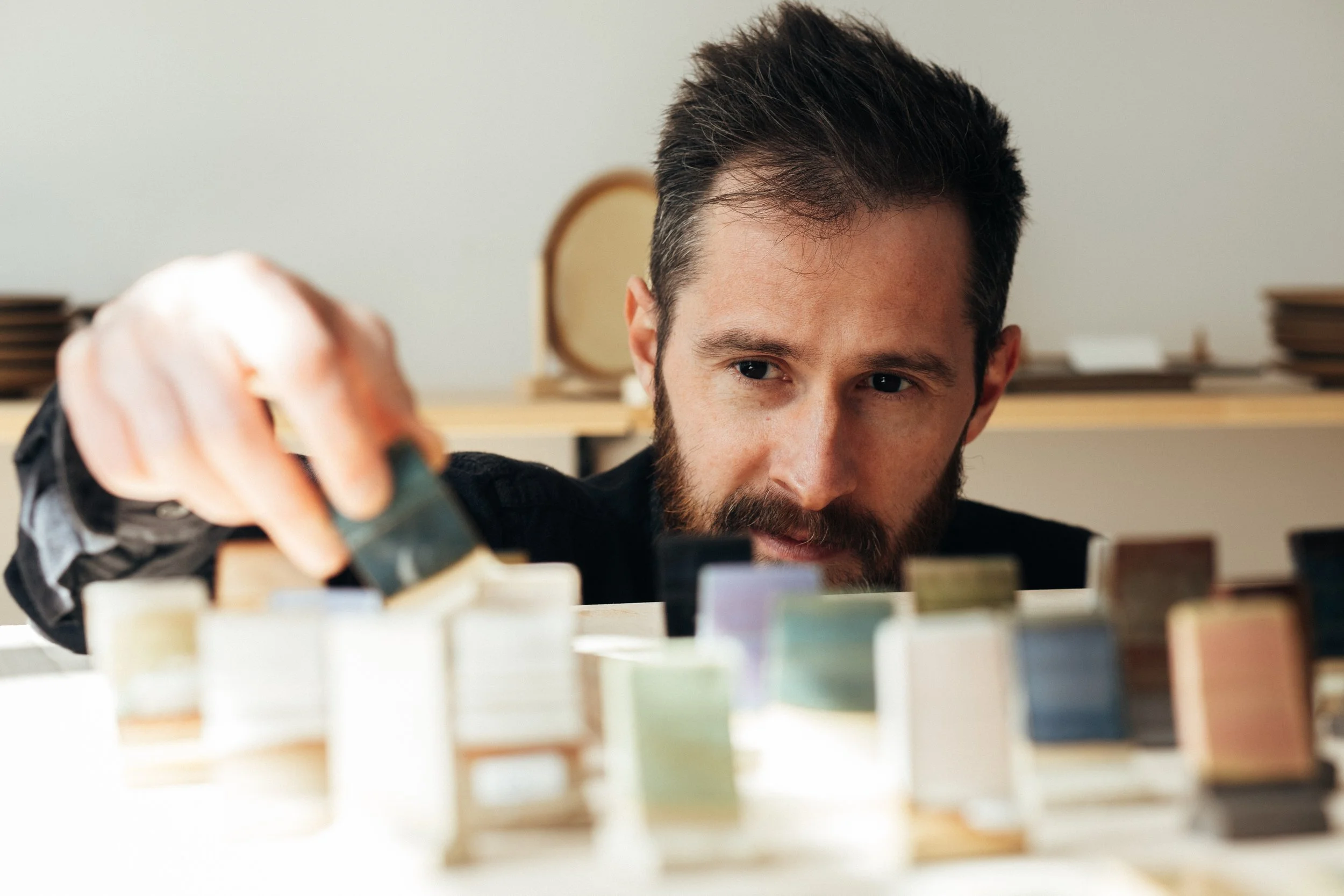 Bild 2 von 12
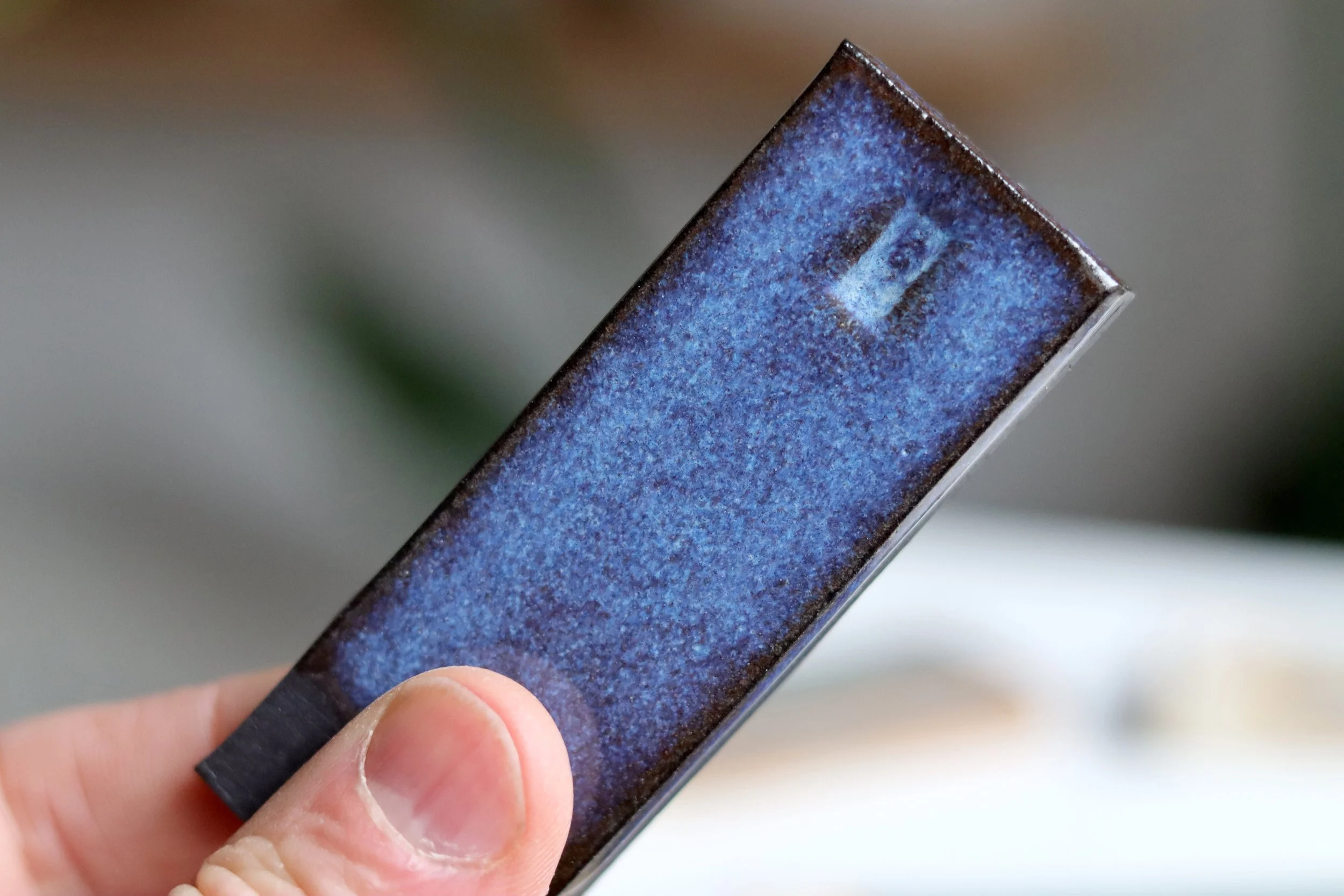 Bild 3 von 12
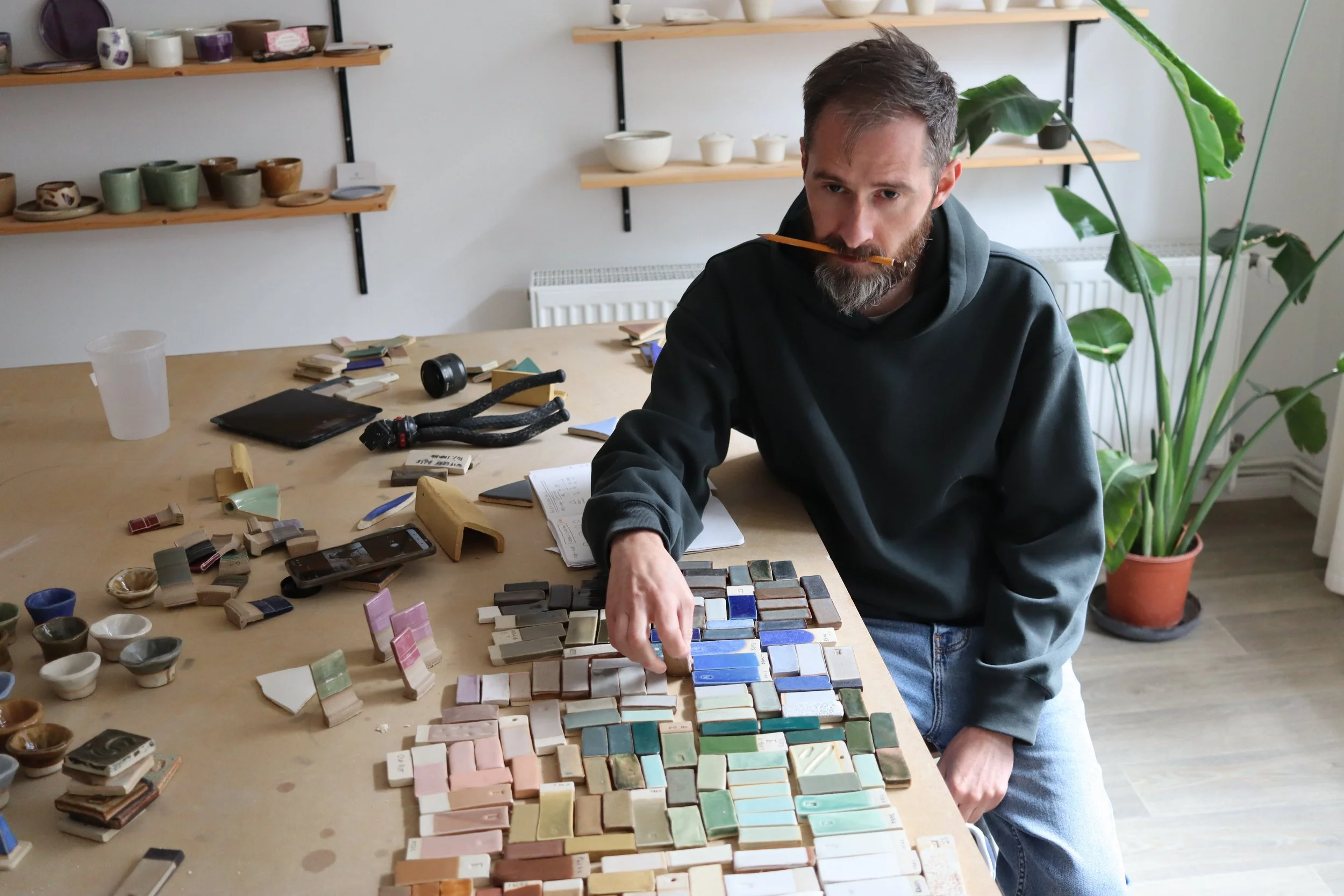 Bild 4 von 12
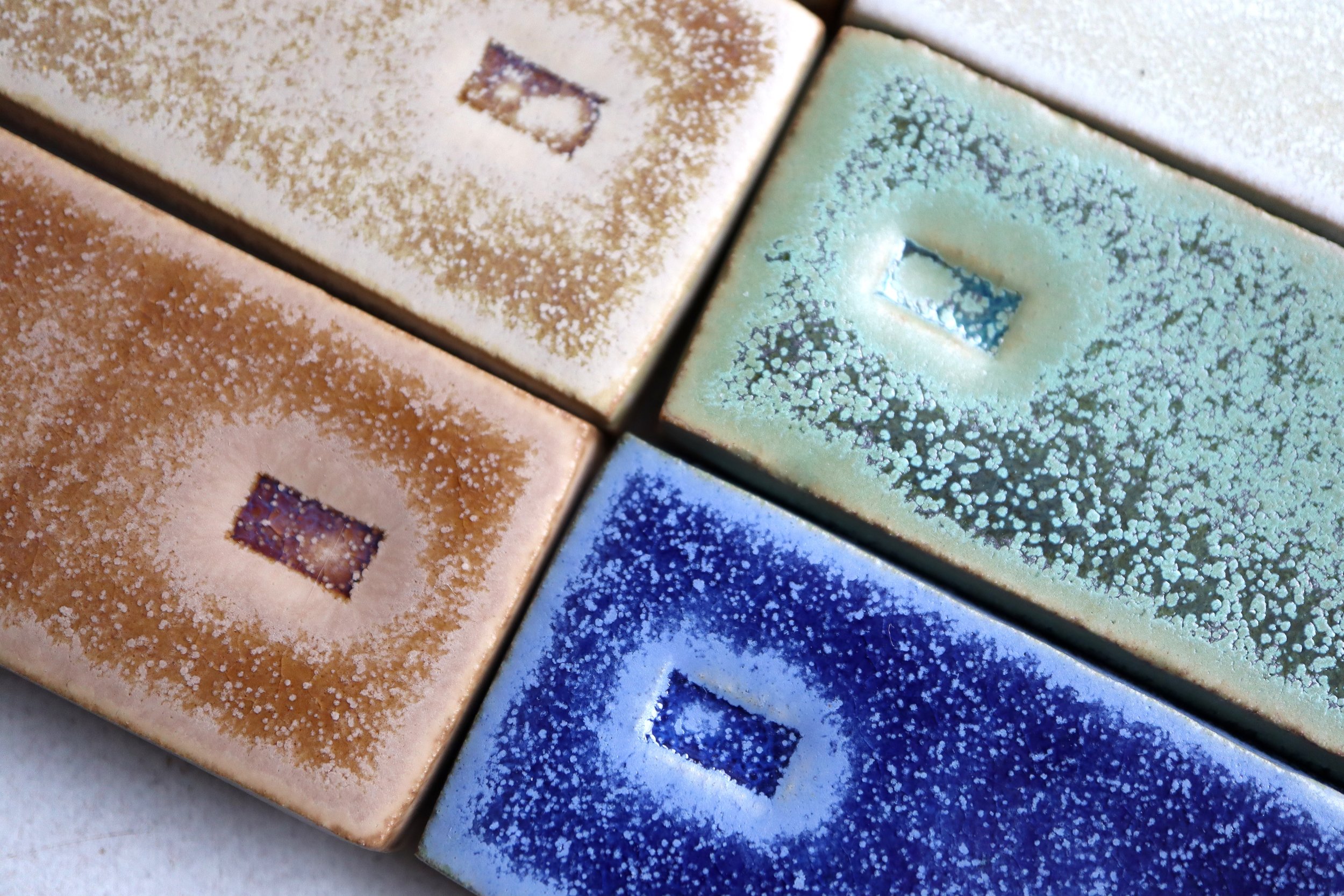 Bild 5 von 12
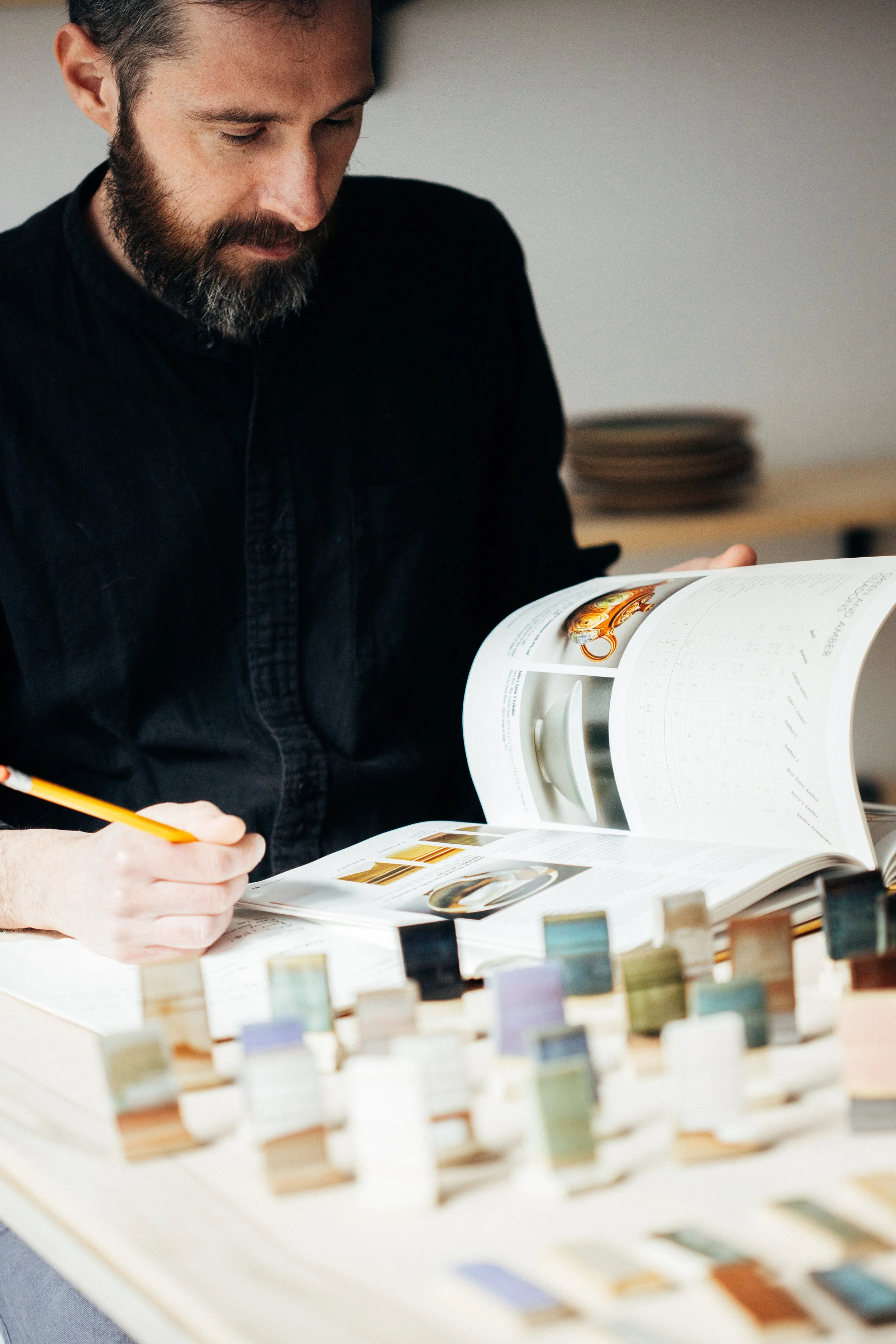 Bild 6 von 12
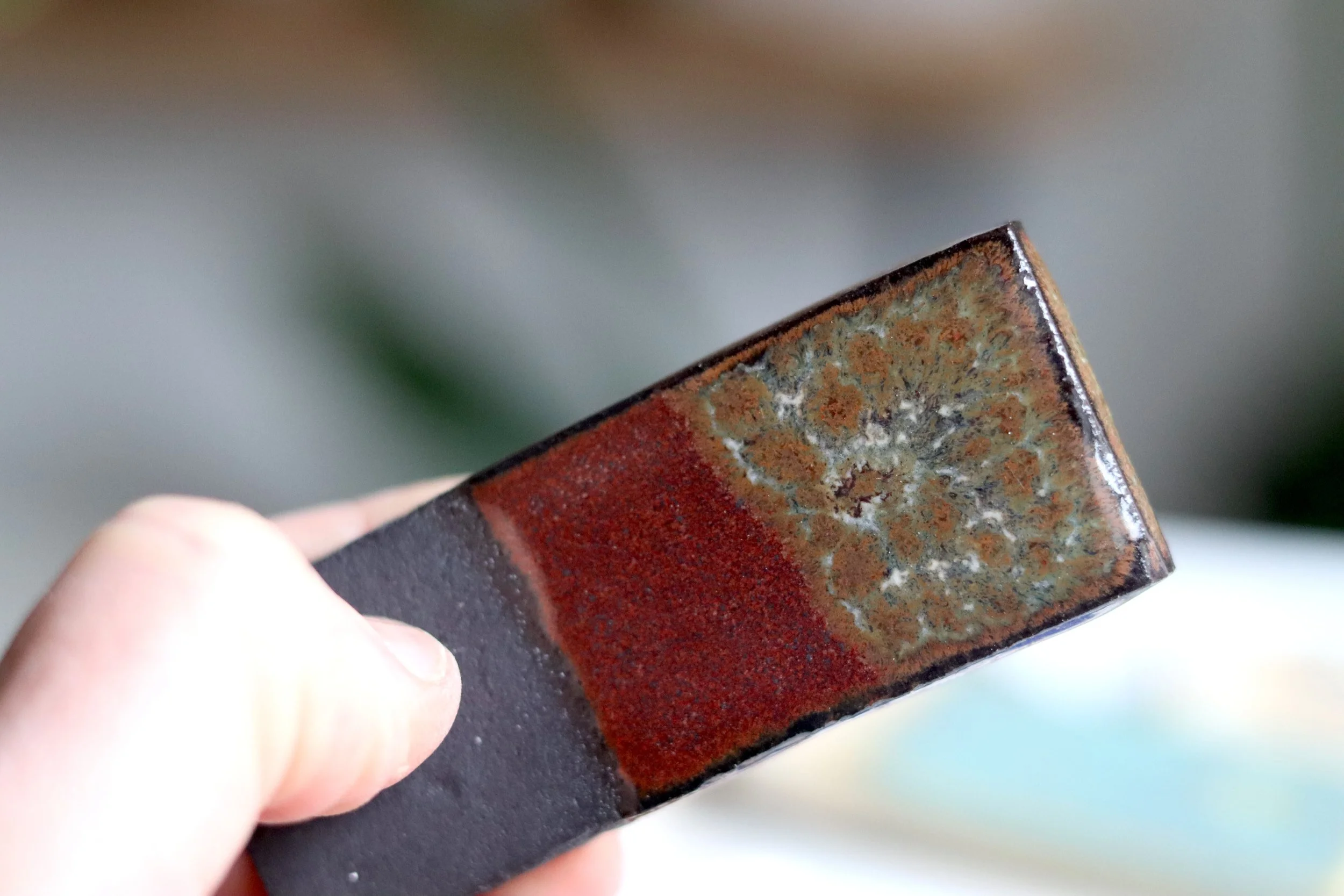 Bild 7 von 12
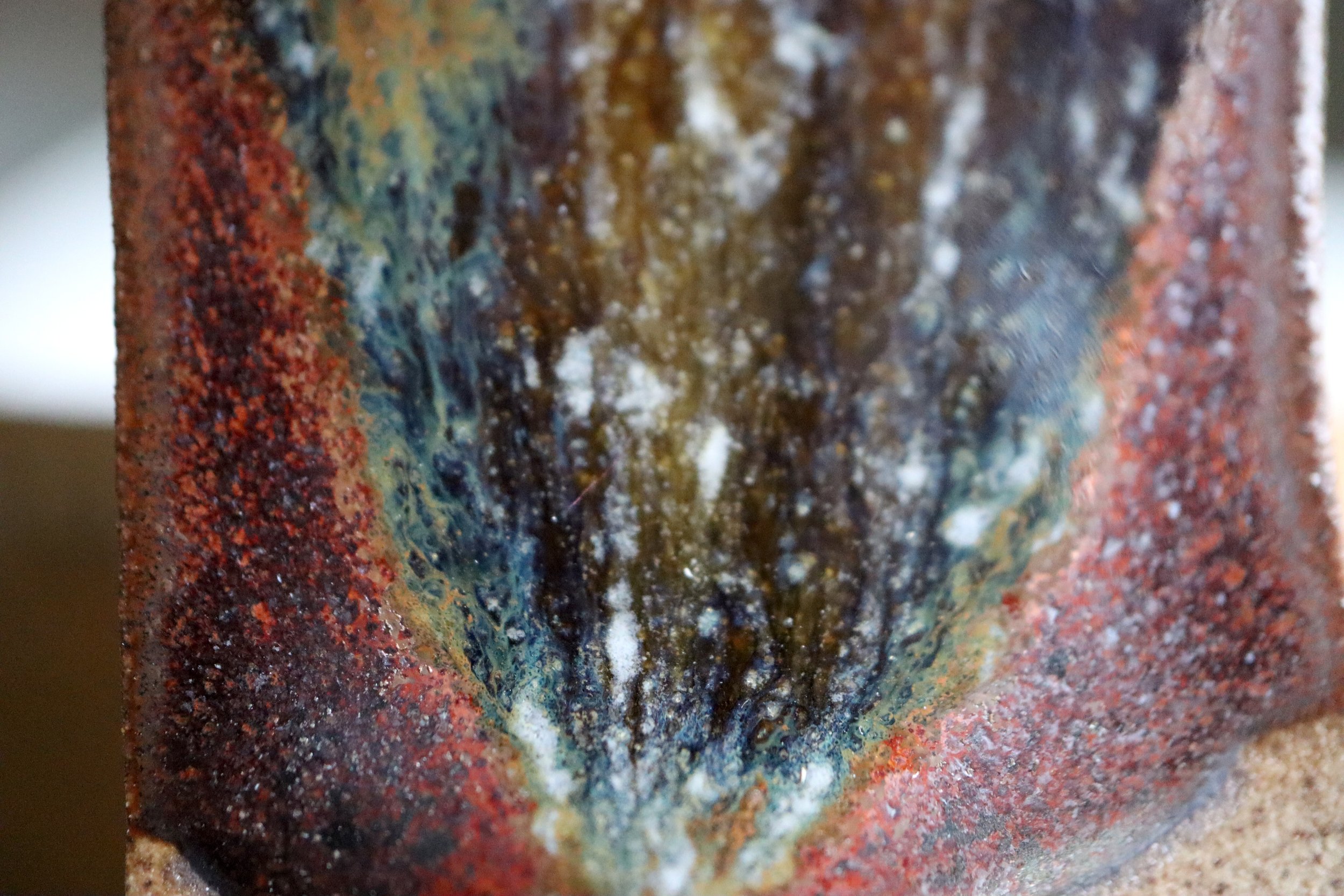 Bild 8 von 12
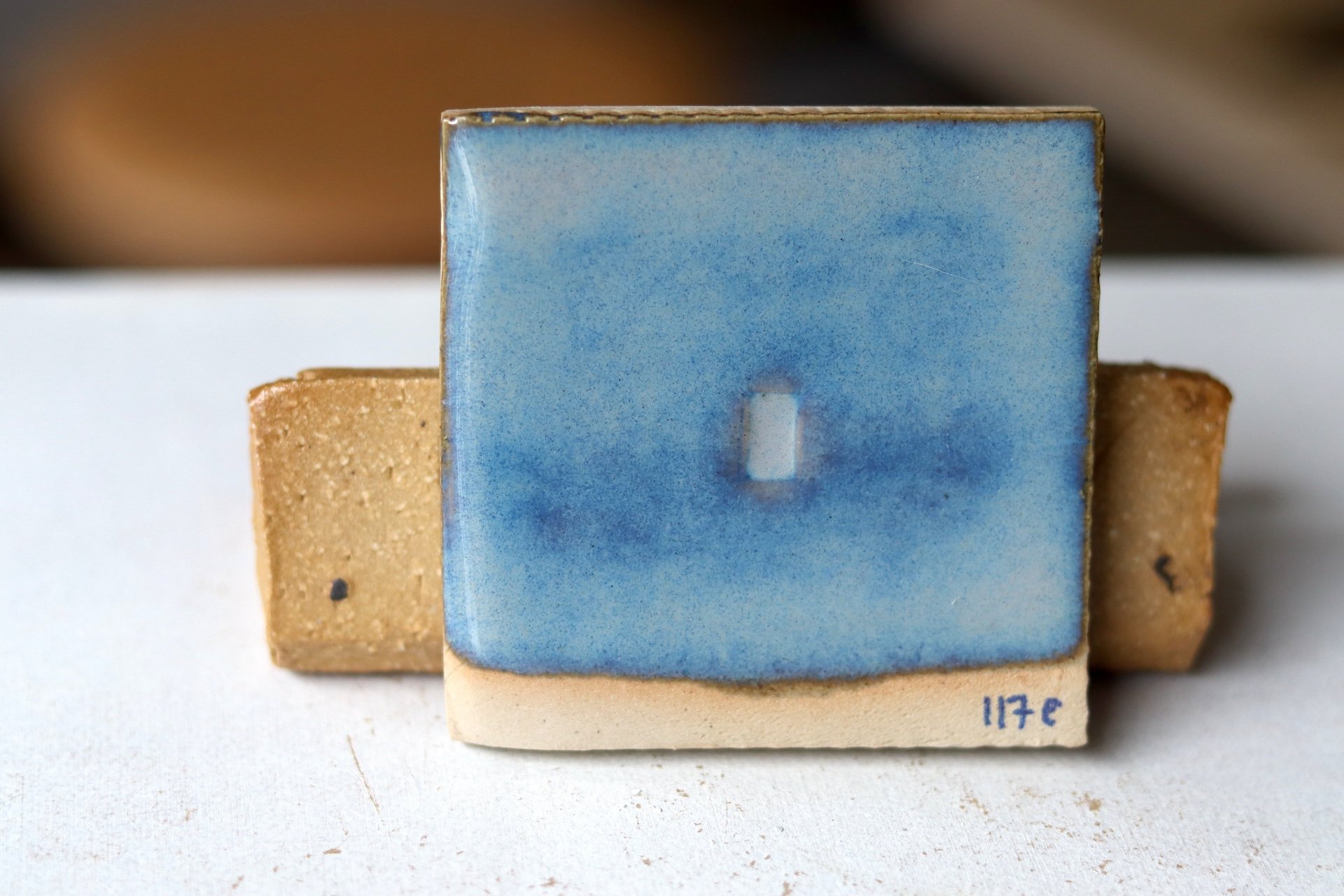 Bild 9 von 12
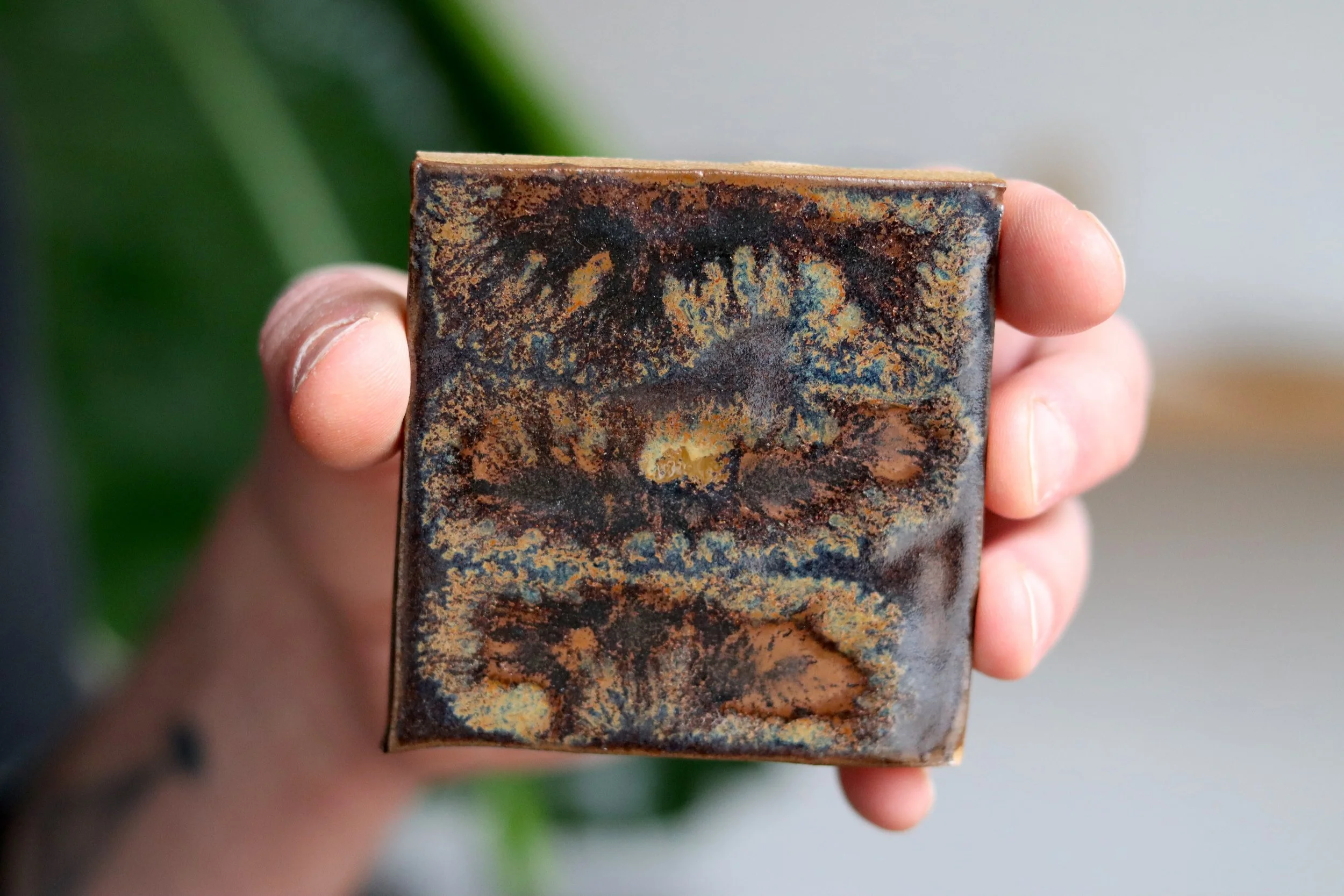 Bild 10 von 12
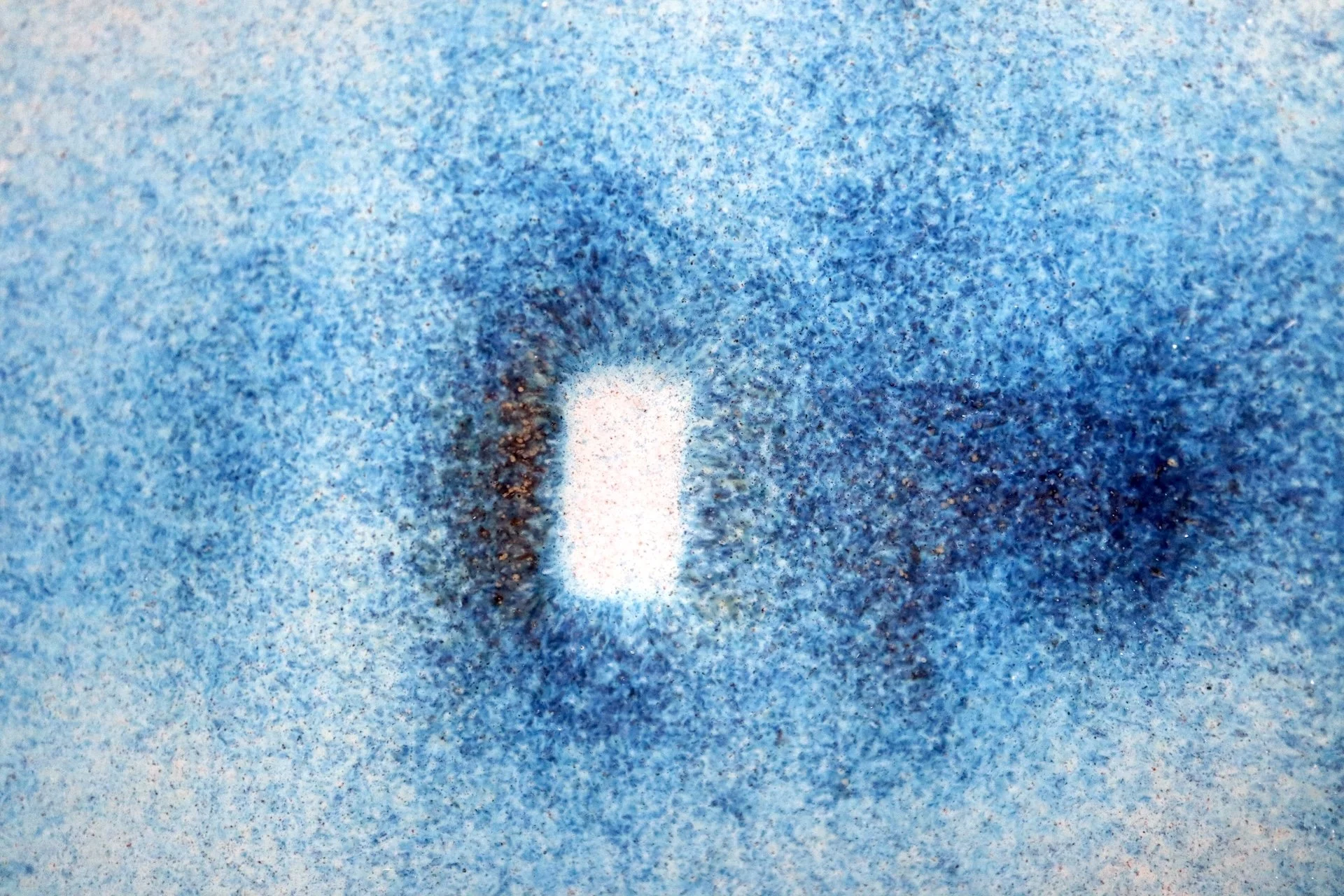 Bild 11 von 12
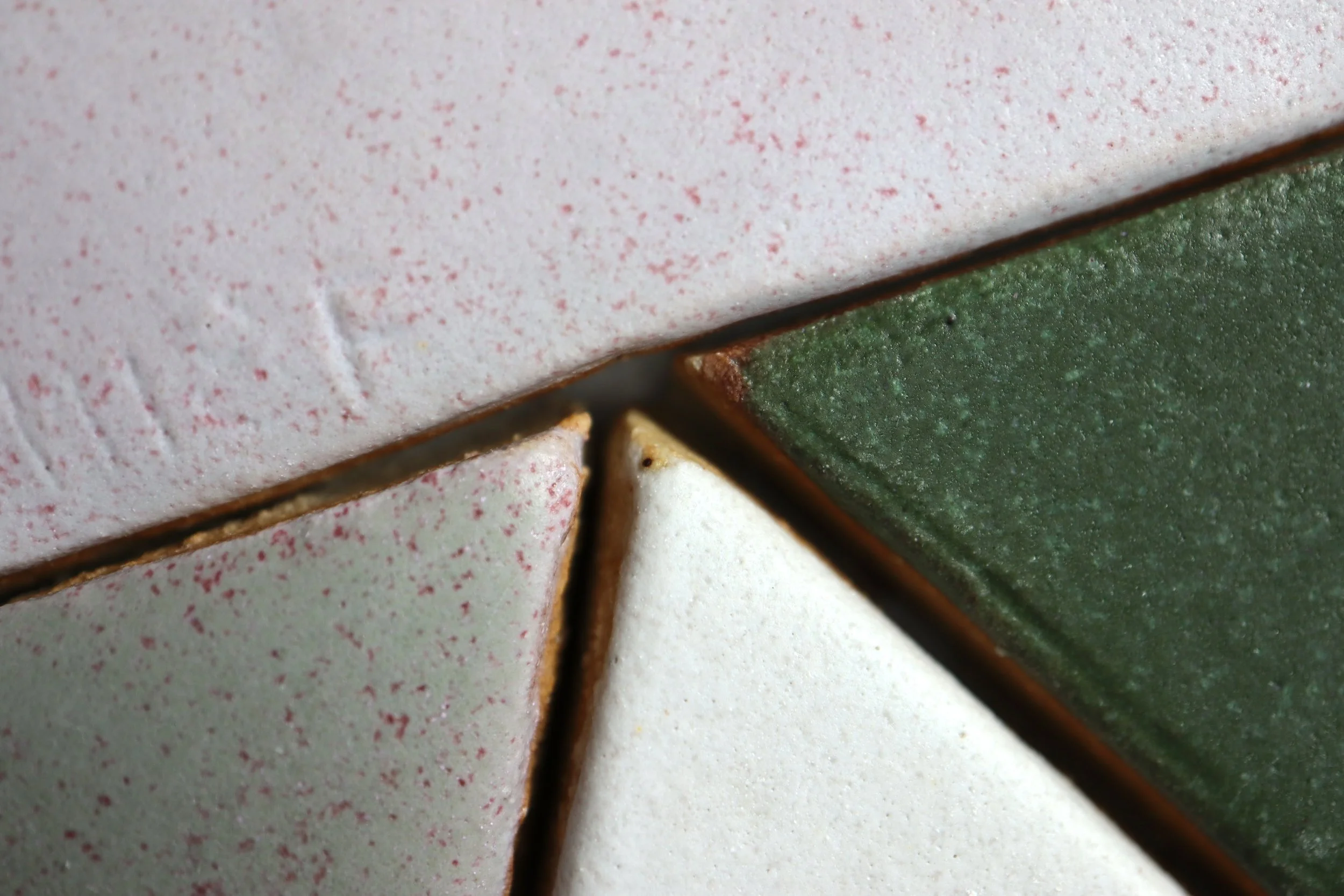 Bild 12 von 12